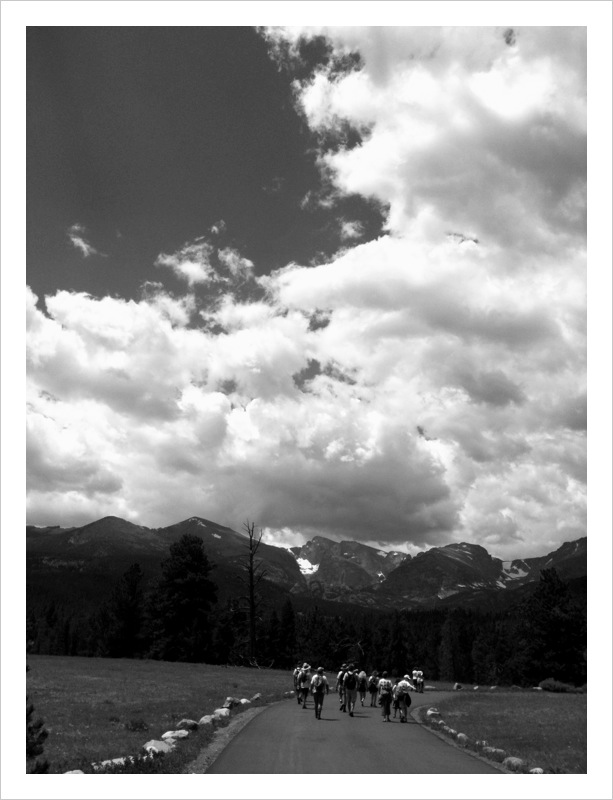
just sit and watch
November 23, 2010
Labeling is attachment in action. It’s something very subtle, very refined. Whatever appears, it latches on. So you simply have to let the mind be empty without labeling anything, for the emptiness that lets go of preoccupations or is free from the influence of thought-formations is something you have to look further into. Don’t label it as this or that level, for to measure and compare things in this way blocks everything – and in particular, knowledge of how the mind changes.
So to start out, simply watch these things, simply be aware.
– Upasika Kee Nanayon

clear view
November 16, 2010
Today I sat before the cliffs
Sat until the mist drew off
A rambling clear stream shore
A towering green ridge crest
Cloud’s dawn shadows still
Moon’s night light adrift
Body free of dust
Mind without a care.
– Han shan
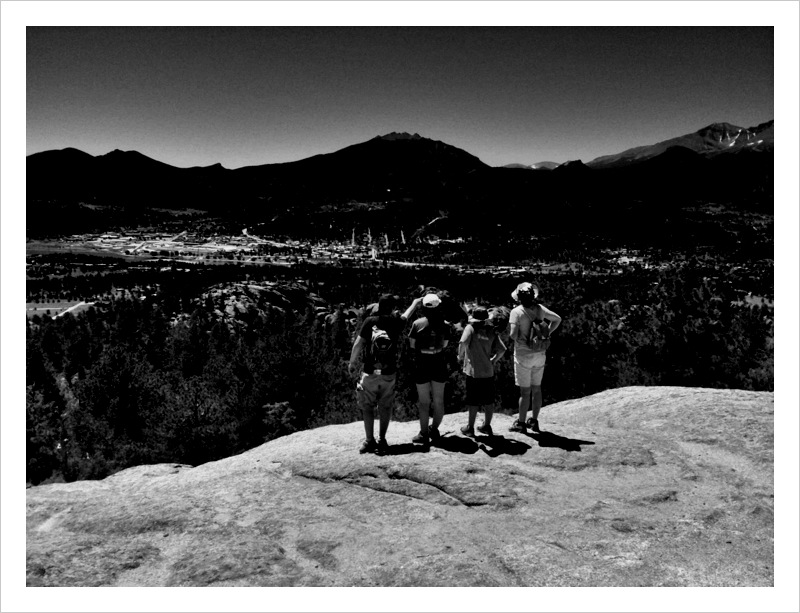
ego is a habit, not a thing
November 16, 2010
In Buddhism there is a great respect for the power of self-centeredness to co-opt even the most magnanimous or sublime experience for its own self-aggrandizement.
The idea of ego is not so much a thing as a habit of using whatever experience arises to solidify and prop up our feeling of a solid and separate identity.
It is literally a form of ingesting experience to fatten our own self-absorption.
– Judy Lief

look no further
November 14, 2010
Names of the unified mind are Buddha-nature,
True suchness, the hidden essence,
The pure spiritual body,
The pedestal of awareness,
The innocent, universal round mirror-like knowledge,
The open source, the ultimate truth,
And pure consciousness.
The enlightened ones of the past, present, and future,
And all of their discourses,
Are all in your fundamental nature, inherently complete.
You do not need to seek,
But you must save yourself;
No one can do it for you.
– Xuefeng (822–908)

being instead of reminiscing
November 13, 2010
Thinking isn’t inherently bad. Like everything else, it’s useful in moderation. A good servant, but a bad master.
All so called civilized peoples have increasingly become crazy and self-destructive, because through excessive thinking, they have lost touch with reality. That’s to say we confuse signs, words, numbers, symbols and ideas with the real world.
Most of us would rather have money than tangible wealth and a great occasion is somehow spoiled for us unless it is photographed. And, to read about it the next day in the newspaper is oddly more fun for us than the original event.
– Alan Watts, Still The Mind

avoid the three poisons
November 9, 2010
In truth, the notion of self we attach to the aggregates is a mere mental fabrication, a label put on something that does not exist.
People who wear tinted glasses or suffer from a visual impairment would see a white conch as yellow, even though the conch has never been anything but white.
In the same way, our deluded minds attribute reality to something that is utterly nonexistent.
This is what we call ignorance: not recognizing the void nature of phenomena and assuming that phenomena possess the attribute of true existence although in fact they are devoid of it.
With ignorance comes attachment to all that is pleasant to the ego as well as hatred and repulsion for all that is unpleasant.
In that way the three poisons—ignorance, attachment, and hatred—come into being. Under the influence of these three poisons, the mind becomes like a servant running here and there.
This is how the suffering of samsara is built up. It all derives from a lack of discernment and a distorted perception of the nature of phenomena.
– Dilgo Khyentse Rinpoche
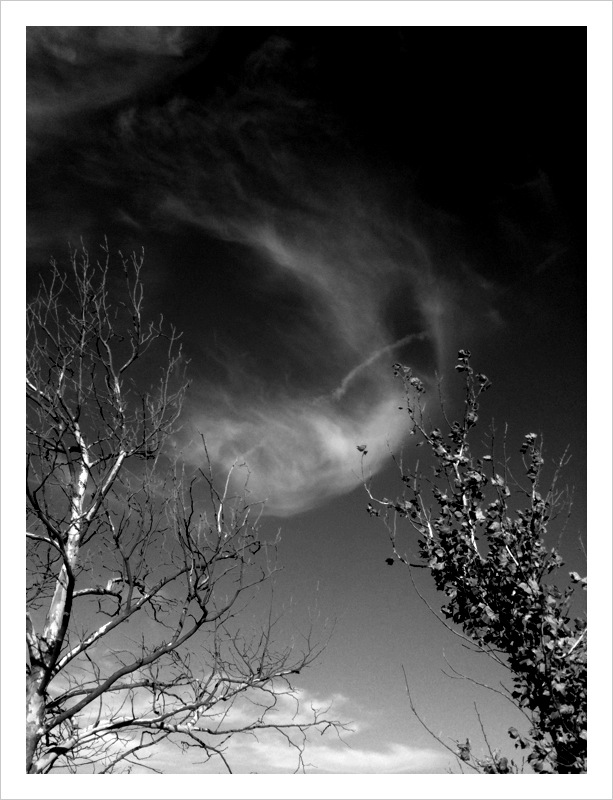
the best day of my life
November 6, 2010
Spring has its hundred flowers,
Autumn has its many moons.
Summer has cool winds,
Winter its snow.
If useless thoughts do not
Cloud your mind,
Each day is the best of your life.
– Wu-Men-Hui-Kai (1183–1260)
body & mind
November 3, 2010
To keep the body in good health is a duty, otherwise we shall not be able to keep our mind strong and clear.
– Buddha

the real deal
November 3, 2010
Enlightenment is awakening from the dream of being a separate me to being the universal reality. It’s not an experience or a perception that occurs to a separate person as the result of spiritual practice or cultivated awareness.
It doesn’t come and go, and you don’t need to do anything to maintain it. It’s not about being centered or blissful or peaceful or any other experience. In fact, enlightenment is a permanent non-experience that happens to nobody.
The separate person is seen through, and you realize that only the supreme, universal reality exists, and that you are that.
– Adyashanti

hiking with dear friends
November 2, 2010
The energies that keep us alive are joy, generosity, compassion, curiosity, truthfulness, serenity, equanimity, wakefulness, one-pointedness, and impeccability—the qualities of mind that Buddhist teaching sometimes calls paramitas, or perfections, or sometimes bojjhangas, the factors of enlightenment.
They are qualities of awakened mind as well as qualities that can be cultivated to aid awakening.
– Jack Engler