uniquely one
June 30, 2010
Sitting before the silent, burning incense
I watch the moss thicken on the stone bridge.
Don’t ask me why.
I’ve been out of step with the world since my youth.
– Wonkam Chungji (1226-1292)
natural beauty
June 27, 2010
I transplant pine seedlings in the rain
And close bamboo doors, shrouded by clouds.
Mountain flowers are better than
Embroidered curtains.
The pine trees in the yard
Replace silk cloths.
– Wonkam Chungji (1226-1292)
for the love of bamboo
June 26, 2010
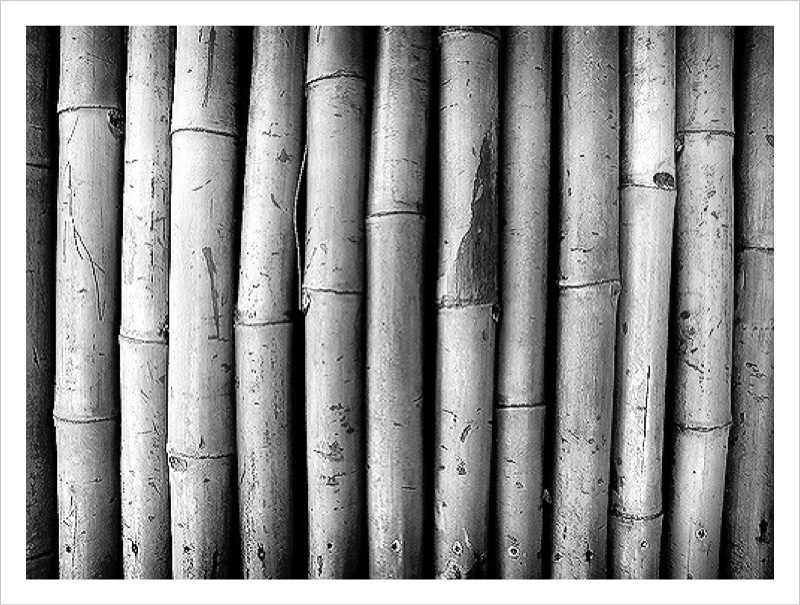
I love the bamboo tree:
It staves off heat and cold,
Cultivates unbending fidelity;
Empties its mind every day.
In the moonlight it plays with its shadow
And sends clean words before the wind.
When it wears snow on its head,
Grace fills the deep forest.
– Jinkag Haesim (1178-1234)
everything you need is right here, right now
June 25, 2010
If you know what you are, how you exist, how your mind works and how attachment causes desire and ignorance to rise; if you can comprehend these things, you have the understanding and the insight into everything which can bring you happiness.
From the smallest of annoyances to the largest of tragedies, you no longer need to be trapped by fear or anger. You have the key to freedom and it is all within you; right here, right now. You are IT.
– Scott Kinnaird
one mind
June 23, 2010
The fundamental teaching of Buddhism is nothing but the doctrine of One Mind. This Mind is originally perfect and vastly illuminating. It is clear and pure, containing nothing, not even a fine dust. There is neither delusion nor enlightenment, neither birth nor death, neither saints nor sinners. Sentient beings and Buddhas are of the same fundamental nature. There are no two natures to distinguish them. This is why Bodhidharma came from the west to teach the Ch’an method of “direct pointing” to the original true Mind.
– Han-Shan Te-Ch’ing (1586)
one self
June 19, 2010
But, I have no self except everything which is happening, and it sees itself from all the different standpoints called sentient beings.
– Alan Watts
unified spirit
June 16, 2010
When the inward and the outward are illumined, and all is clear, you are one with the light of the sun and moon. When developed to its ultimate state, this is a round luminosity which nothing can deceive, the subtle body of a unified spirit, pervading the whole universe. Then you have the same function as the sun and moon.
– Liu I-Ming
fearless walking
June 14, 2010
When it’s time for a child to start walking, a mother needs to let her child walk. She needs to let the child lose his or her balance, fall down, and then find balance once again. Alone, the child needs to get up and stand on his or her own two feet.
Although children need protection, we need to have confidence in their potential to flourish. We don’t want to hold them captive by our own fears and doubts—this creates the unhealthy dependence we have been talking about.
Letting children immerse themselves in a challenging situation or obstacle for a while gives the child confidence. It gives the mother confidence, too. It’s one of the early steps a mother takes in letting the child become a citizen of the world.
– Dzigar Kongtrul, “Old Relationships, New Possibilities”
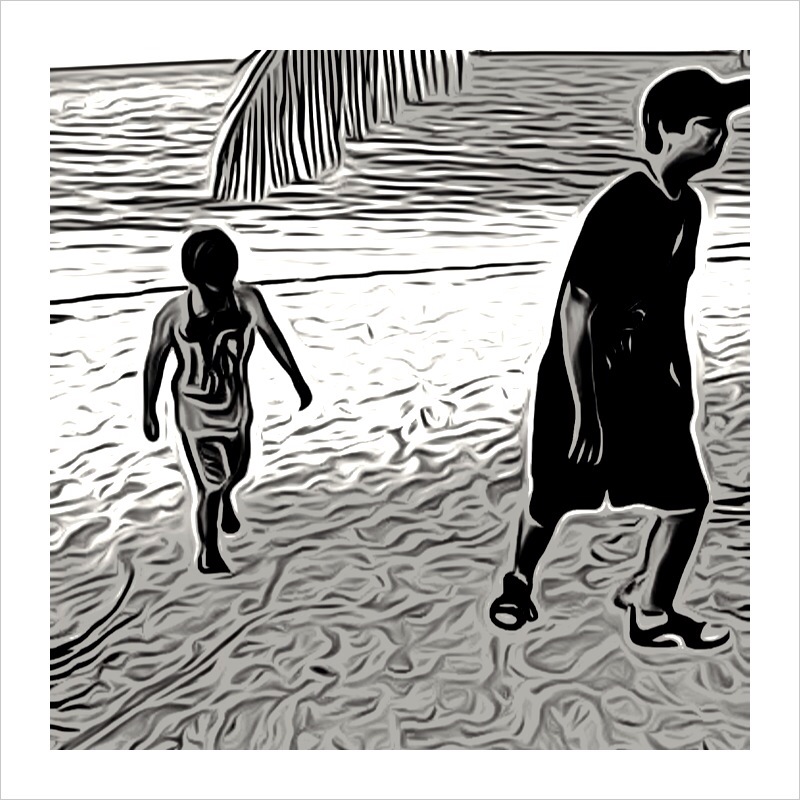
here with you in the eternal now
June 14, 2010
I rest on the bank of a stream
Whose water is calm and clear.
After rain, the wisterias are clean,
The ancient rocks beautiful in the clouds.
The new green leaves are lovely,
And the falling flowers
Are still charming.
Green rocks equal embroidered
Folding screens,
Blue moss replaces a silk cushion.
I wonder what else is needed for a life.
Sitting with my chin in my hand,
I forget to return
It’s lonely, the sun sets
Above the mountain,
And evening smoke rises at the
Edge of the forest.
– Choeui Eusoon (1786-1866)
don’t get stuck
June 11, 2010
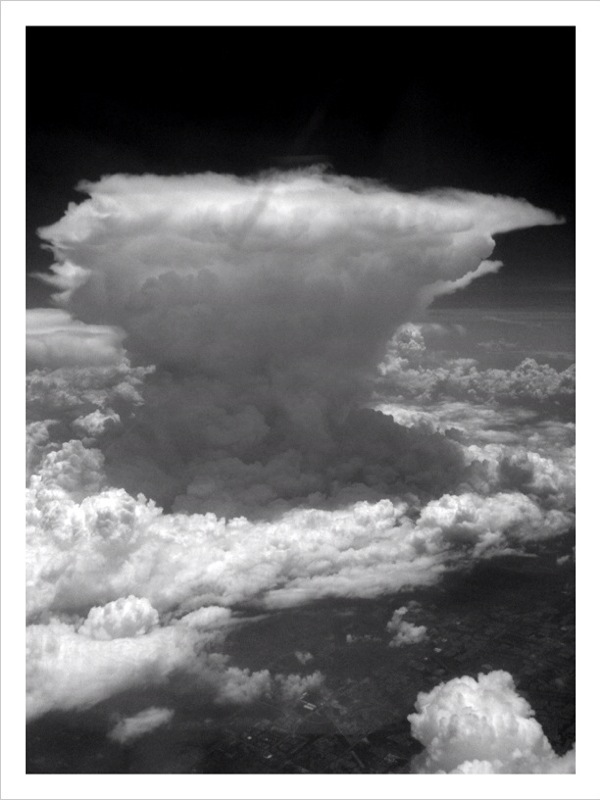
In Tibetan there is a word that points to the root cause of aggression, the root cause also of craving. It points to a familiar experience that is at the root of all conflict, all cruelty, oppression, and greed. This word is shenpa.
The usual translation is “attachment,” but this doesn’t adequately express the full meaning. I think of shenpa as “getting hooked.” Another definition, used by Dzigar Kongtrul Rinpoche, is the “charge”—the charge behind our thoughts and words and actions, the charge behind “like” and “don’t like.”
Here’s an everyday example: Someone criticizes you. She criticizes your work or your appearance or your child. In moments like that, what is it you feel? It has a familiar taste, a familiar smell. Once you begin to notice it, you feel like this experience has been happening forever. That sticky feeling is shenpa. And it comes along with a very seductive urge to do something.
Somebody says a harsh word and immediately you can feel a shift. There’s a tightening that rapidly spirals into mentally blaming this person, or wanting revenge, or blaming yourself. Then you speak or act. The charge behind the tightening, behind the urge, behind the story line or action is shenpa.
– Pema Chödrön, from “Don’t Bite the Hook”