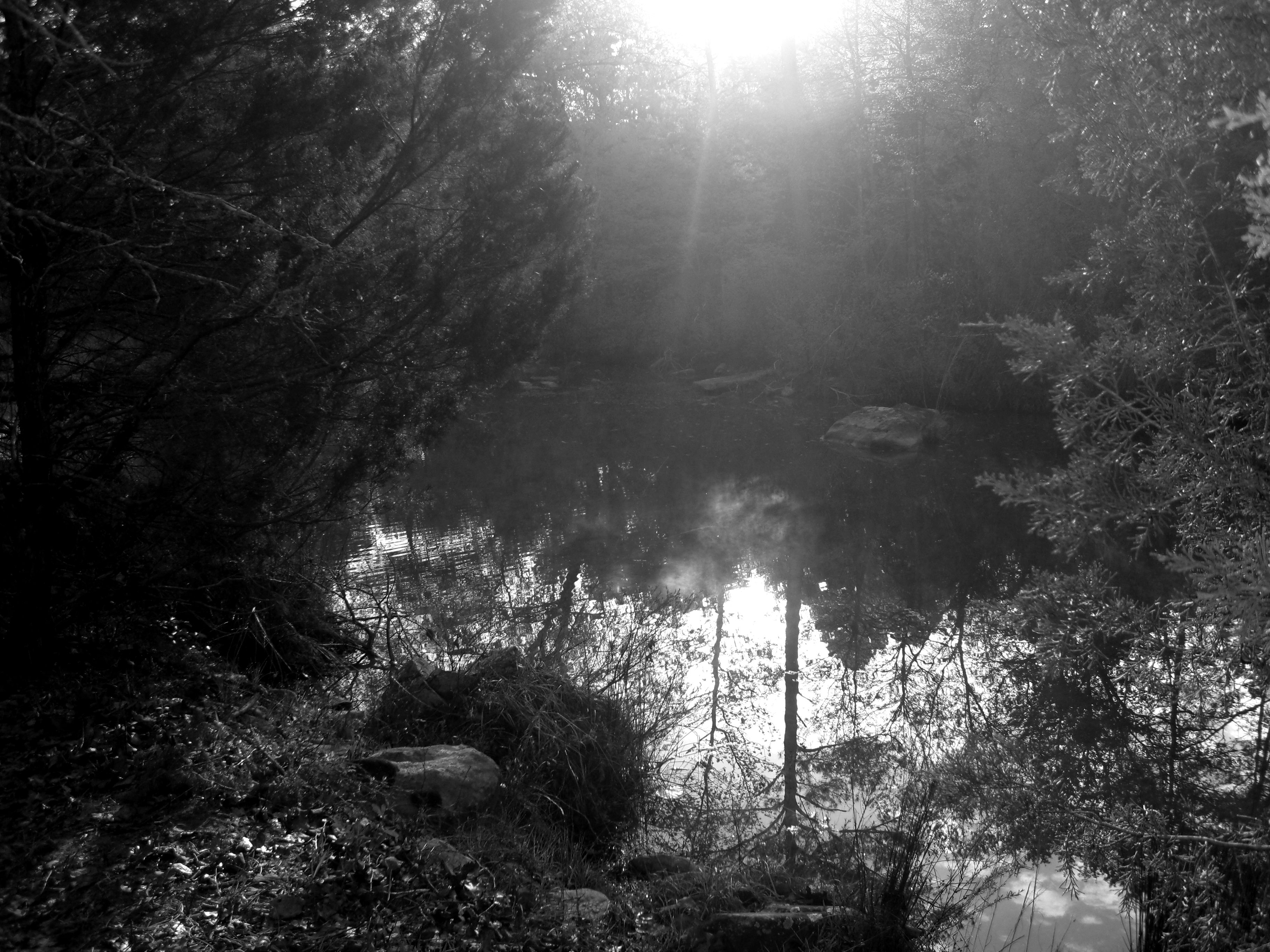
big mind
May 7, 2010
Deaf, he hears his own nature.
Blind, he sees his Original Mind.
The empty, clear moon
In the water rises
Where heart and mind are forgotten.
– Jungkwan Ilson (1533-1608)
gratitude is the gateway to generosity
May 5, 2010
Gratitude, the simple and profound feeling of being thankful, is the foundation of all generosity. I am generous when I believe that right now, right here, in this form and this place, I am myself being given what I need. Generosity requires that we relinquish something, and this is impossible if we are not glad for what we have. Otherwise the giving hand closes into a fist and won’t let go.
– Sallie Jiko Tisdale, from “As if There is Nothing to Lose”
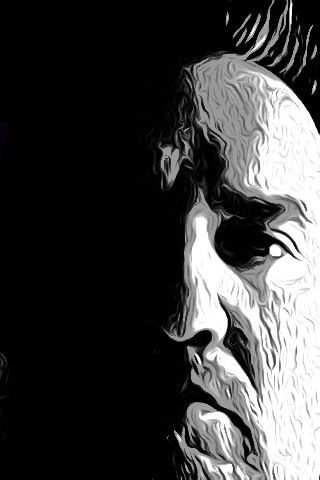
the last sunny day in carmel
May 2, 2010
rain or sun
cool or warm
the rhythm of the ocean
and the smell of the pines
make leaving this place a solemn event.
east meets west
material rises to the spiritual
ultimately falling short.
one is recollected in time
and reality is contained in the now.
make your home your resort and
repose is wherever you are.
– dsk

let go
April 29, 2010
How shall I grasp it? Do not grasp it. That which remains when there is no more grasping is the Self.
– Panchadasi
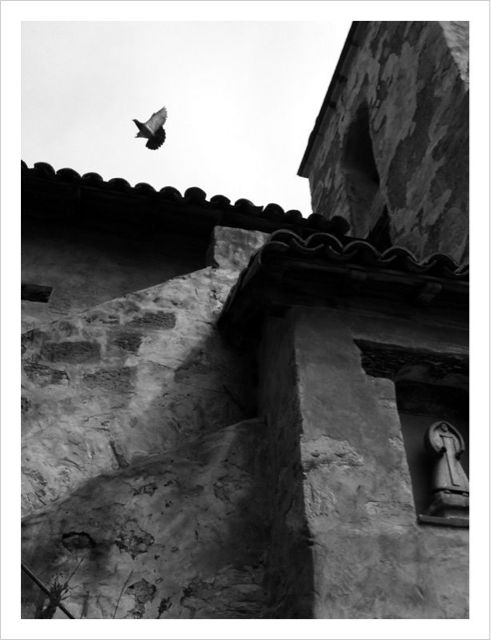
one life, many faces
April 28, 2010
I learned the three virtues from my teacher
And watch the grass in the wind
To know Buddha nature.
When I brood all alone
In the desolate hermitage,
I realize I have lived many
Lives as a monk.
– Hueng Powoo (d.1565)
equanimity
April 23, 2010
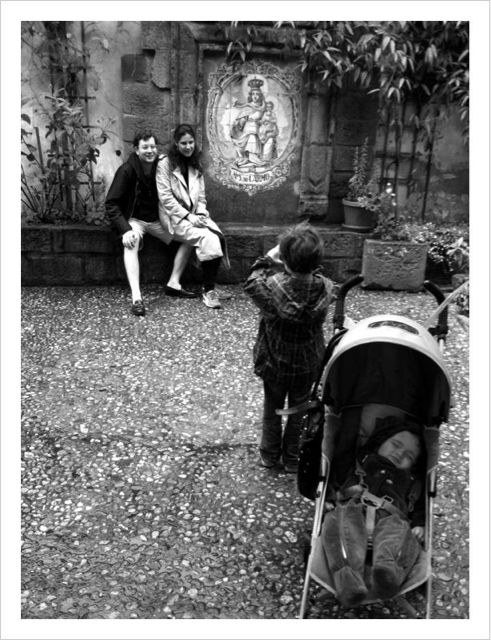
Spiritual practitioners thrive in unpredictable conditions, testing and refining the inner qualities of heart and mind. Every situation becomes an opportunity to abandon judgment and opinions and to simply give complete attention to what is. Situations of inconvenience are terrific areas to discover, test, or develop your equanimity.
How gracefully can you compromise in a negotiation? Does your mind remain balanced when you have to drive around the block three times to find a parking space? Are you at ease waiting for a flight that is six hours delayed? These inconveniences are opportunities to develop equanimity. Rather than shift the blame onto an institution, system, or person, one can develop the capacity to opt to rest within the experience of inconvenience.
– Shaila Catherine, from “Equanimity in Every Bite”
good vacation
April 19, 2010
For ten miles the mountains rise
Above the lake. The beauty of
Water and mountains is
Impossible to describe.
In the glow of evening
A traveler sits in front
Of an inn, sipping wine.
The moon shines above a
Little bridge and a single
Fisherman. Around the farm
A bamboo fence descends to
The water. I chat with an
Old man about work and crops.
Maybe, when the years have come
When I can lay aside my
Cap and robe of office,
I can take a little boat
And come back to this place.
– Chu His (1130-1200)

sit on top
April 18, 2010
In the sutras it says that a bodhisattva is like an immaculate lotus that floats on muddy water. The lotus is a metaphor for the bodhisattva, who engages the world of confusion in order to serve beings. But how is it that the bodhisattva stays afloat without sinking into the muddy water of confusion? It is due to the wisdom of knowing the mind—how it can serve us or how, if left unchecked, it can spin in the direction determined by confusion. This kind of clarity may seem a long way off for us, but it all begins with rising to the occasion of our lives and facing our minds.
– Dzigar Kongtrul, from “Old Relationships, New Possibilities”

laughing
April 17, 2010
“Since everything is but an apparition, having nothing to do with good or bad, acceptance or rejection, one may as well burst out in laughter!”
– Longchenpa

all that is
April 17, 2010
Pine trees murmur in the wind.
Spring water bubbles in stone.
The moon sets at dawn.
An owl hoots in the mountains.
– Jinkag Haesim (1178-1234)