just do it
March 28, 2010
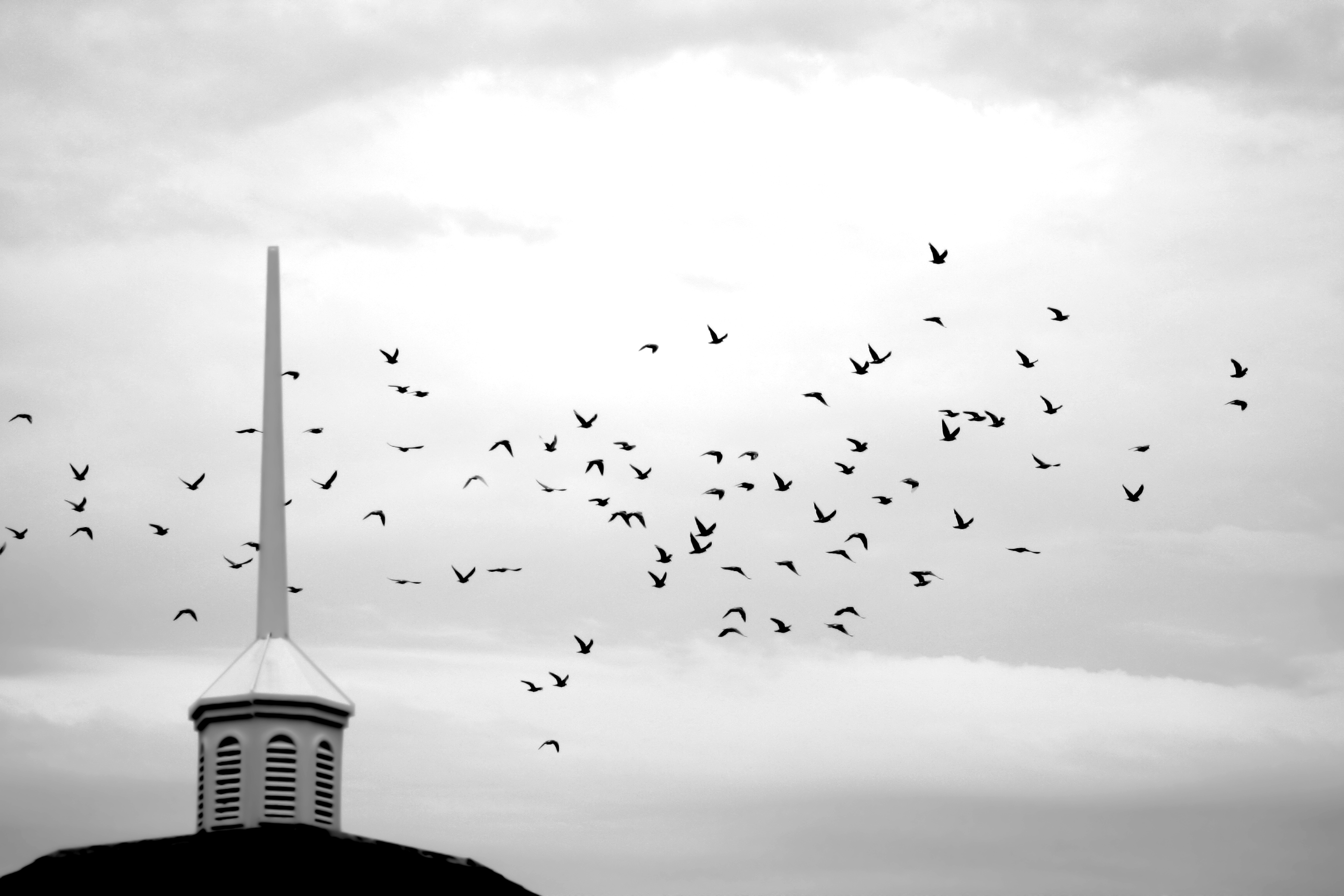
Advice? I don’t have advice. Stop aspiring and start writing. If you’re writing, you’re a writer. Write like you’re a goddamn death row inmate and the governor is out of the country and there’s no chance for a pardon. Write like you’re clinging to the edge of a cliff, white knuckles, on your last breath, and you’ve got just one last thing to say, like you’re a bird flying over us and you can see everything, and please, for God’s sake, tell us something that will save us from ourselves. Take a deep breath and tell us your deepest, darkest secret, so we can wipe our brow and know that we’re not alone. Write like you have a message from the king. Or don’t. Who knows, maybe you’re one of the lucky ones who doesn’t have to.
– Alan Watts

happy solitude
March 26, 2010
Being alone means you are established firmly in the here and the now and you become aware of what is happening in the present moment.
You use your mindfulness to become aware of every feeling, every perception you have. You’re aware of what’s happening around you in the sangha, but you’re always with yourself, you don’t lose yourself.
That’s the Buddha’s definition of the ideal practice of solitude: not to be caught in the past or carried away by the future, but always to be here, body and mind united, aware of what is happening in the present moment.
That is real solitude.
– Thich Nhat Hanh from “The Heart of The Matter” (Winter 2009)
come and go
March 22, 2010
The field of boundless emptiness
Is what exists from the very beginning.
You must purify, cure, grind down,
Or brush away all the tendencies
You have fabricated into apparent habits.
Then you can reside in the
Clear circle of brightness.
– Hongzhi Zhengjue (1091–1157)
rare earth
March 16, 2010
By blending water and minerals from below with sunlight and CO2 from above, green plants link the earth to the sky.
We tend to believe that plants grow out of the soil, but in fact most of their substance comes from the air. The bulk of the cellulose and the other organic compounds produced through photosynthesis consists of heavy carbon and oxygen atoms, which plants take directly from the air in the form of CO2.
Thus the weight of a wooden log comes almost entirely from the air. When we burn a log in a fireplace, oxygen and carbon combine once more into CO2, and in the light and heat of the fire we recover part of the solar energy that went into making the wood.
– Fritjof Capra
thoughtful eating
March 15, 2010
“When you eat with awareness, you find that there is more space, more beauty. You begin to watch yourself, to see yourself, and you notice how clumsy you are or how accurate you are. So when you make an effort to eat mindfully, you find that life is worth much more than you had expected.”
– Chogyam Trungpa
observed freedom
March 13, 2010
All who are fortunate, set yourselves free
With the mind unbound by meditation,
And observe reality from a state of freedom.
– Godrakpa (1170-1249)
skillful speech
March 7, 2010
Skillful speech begins by refraining from lying, slander, profanity, and harsh language. We should avoid language that is rude, abusive, disagreeable, or malicious, and we should abstain from talk that is foolish, idle, babble, or gossip. What remains are words that are truthful, kind, gentle, useful, and meaningful. Our speech will comfort, uplift, and inspire, and we will be a joy to those around us.
The pillar of skillful speech is to speak honestly, which means that we should even avoid telling little white lies. We need to be aware of dishonesty in the forms of exaggerating, minimizing, and self-aggrandizing. These forms of unskillful speech often arise from a fear that what we are is not good enough––and that is never true. Honesty begins at home, so the practice of skillful speech begins with being honest with ourselves.
– Allan Lokos, from “Skillful Speech”
it matters not
March 1, 2010
As it says in The Way of the Bodhisattva, praise and a good reputation do nothing to increase our longevity or good health. Maybe if lots of people praised us we might get a bit richer! But apart from that, praise does not make us live longer or in better health or help us in any other way. If people criticize us, it does not make us sick or unhealthy and nor does it shorten our lives. It does not affect us in any substantial way at all.
If we really stop to think about praise and criticism, we will see they do not have the least importance. Whether we receive praise or criticism is of no account. The only important thing is that we have a pure motivation, and let the law of cause and effect be our witness. If we are really honest, we can see that it makes no difference whether we receive praise and acclaim.
– The Dalai Lama, “Bad Repuation” (Summer 2007)
clear perception
February 25, 2010
When a monk looks at the green mountain
Even a mote of dust must not obstruct his sight.
Clear vision penetrates the bones naturally.
So why are you still striving for nirvana?
– Jinkag Haesim (1178-1234)
the false idol of time
February 24, 2010
The politics of those whose goal is beyond time are always pacific; it is the idolaters of past and future, of reactionary memory and Utopian dream, who do the persecuting and make the wars.
– Aldous Huxley, from “The Perennial Philosophy”